

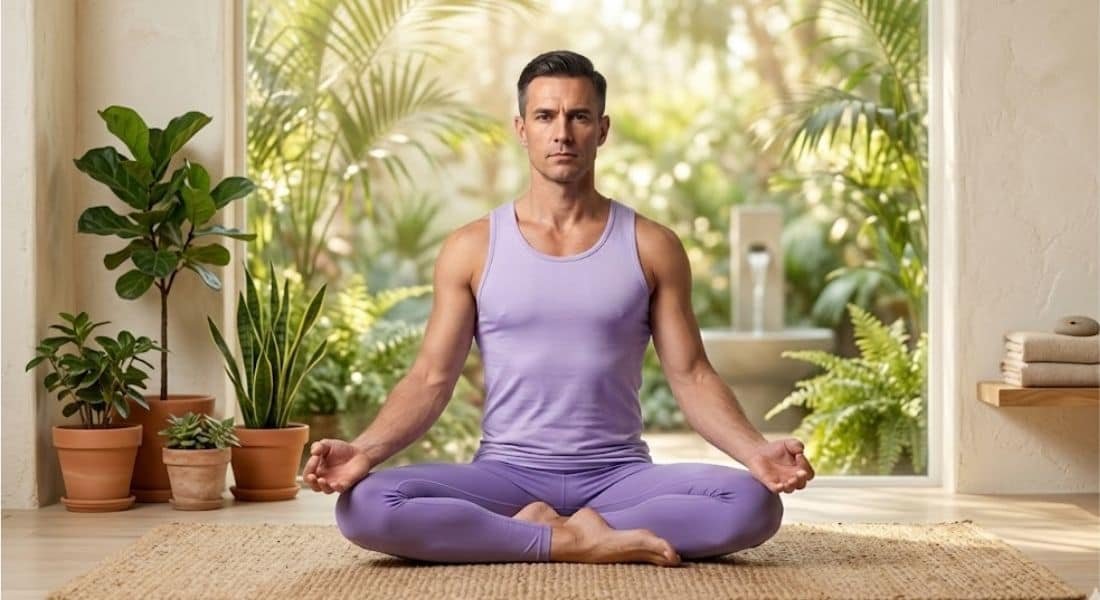
Seated yoga poses are incredibly effective for building core strength and opening up tight muscles without the strain of standing. Practicing seated yoga poses daily allows you to improve your posture while finding a sense of inner calm and physical balance.
These movements are specifically designed to ground your energy and provide a deep stretch to the lower body regions. You will find that these postures yoga are accessible for everyone regardless of their current fitness level or age.
Incorporating these stretches into your routine helps to release the physical stress that accumulates from long hours of sitting or working.
What are seated yoga poses and why are these poses important?
Seated yoga poses are yoga postures performed while sitting on the floor with different leg and spine positions. These poses focus on balance and mental calmness, and they also complement more advanced postures like the Wheel Yoga Pose by preparing the body with better flexibility and control.
They are important because they help open tight hips and improve spinal alignment. Many people sit for long hours which causes stiffness in the lower body. This seated yoga directly targets these issues and builds a strong foundation for deeper backbends.
They also improve breathing control and help in meditation practice. These poses create stability in both body and mind which is essential for overall yoga growth.
What Are The Core Benefits Of Seated Yoga Poses?
Benefits of these postures is the intense focus on spinal alignment and hip flexibility which are vital for a healthy body. Regular practice helps to lengthen the hamstrings and release tension in the pelvic area which often feels tight after a long day.
These stretches also stimulate the digestive system by gently massaging the internal organs through various twisting and folding motions.
You will experience improved blood circulation throughout your legs and torso which leads to higher energy levels and better concentration. Many people notice a significant reduction in anxiety because these poses encourage deep and mindful breathing patterns.
How To Prepare For Seated Yoga Poses Daily?
- Find a quiet and comfortable space for your practice
- Use a yoga mat or firm rug for stable sitting support
- Keep a cushion or folded blanket ready for hip support
- Wear loose and breathable clothing for free movement
- Stay hydrated before starting your yoga session
- Avoid heavy meals at least one hour before practice
- Set a positive intention to stay focused and calm
- Prepare your mind to move slowly and mindfully through each pose
Different Variations Of Seated Yoga Poses:
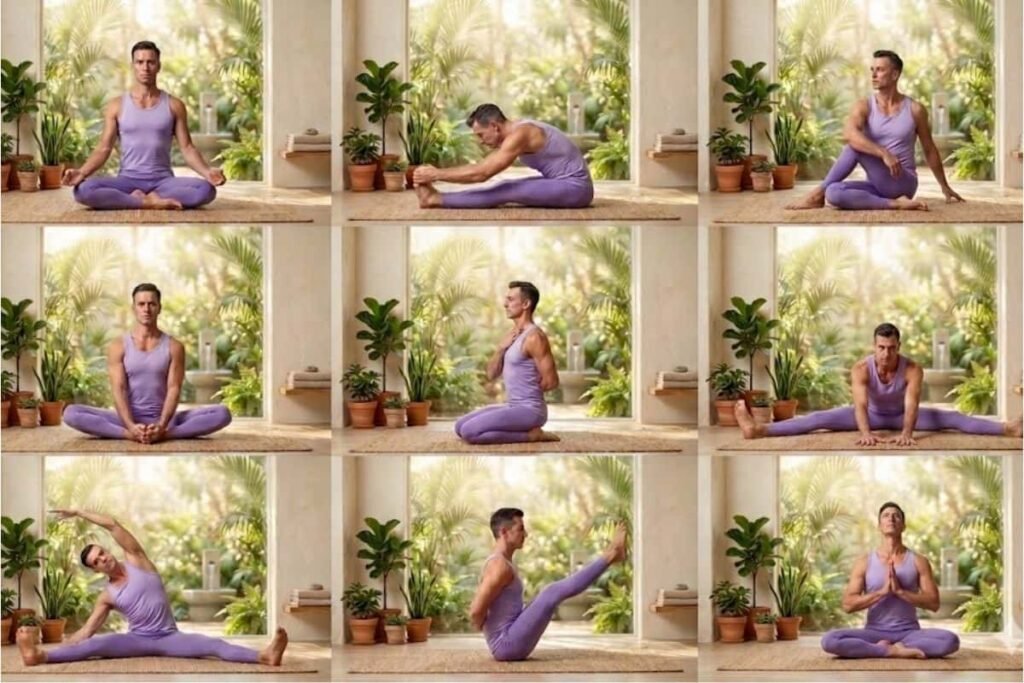
Easy Pose Sukhasana:
This is a foundational cross legged position that promotes better posture and prepares the mind for deep meditation or breathing. You sit tall with your spine straight and rest your hands gently on your knees while relaxing your entire upper body. It is the perfect starting point for any routine because it helps to ground your energy and center your thoughts.
Staff Pose Dandasana:
In this position you sit with your legs extended straight out in front of you while keeping your feet flexed. You press your palms into the floor beside your hips to help lengthen your spine and engage your core muscles fully. This pose builds strength in the back and teaches you the proper alignment needed for more advanced seated movements.
Bound Angle Pose Baddha Konasana:
You bring the soles of your feet together and allow your knees to drop out toward the sides to open the hips. This stretch targets the inner thighs and groin area which are often very tight in people who sit for long periods. Holding this position while keeping a tall spine helps to improve circulation in the pelvic region and relieves lower back pain.
Seated Forward Fold Paschimottanasana:
This move involves reaching your hands toward your feet while folding your torso over your extended legs with a flat back. It provides a deep stretch for the entire back of the body including the hamstrings calves and the muscles along the spine. Regular practice of this fold helps to calm the brain and can reduce feelings of stress and mild depression.
Seated Spinal Twist Ardha Matsyendrasana:
You bend one knee and place the foot on the outside of the opposite leg while twisting your torso toward the upright knee. This twisting motion massages the abdominal organs and helps to maintain the natural flexibility of the spine throughout your life. It is an excellent way to detoxify the body and release tension that builds up in the middle and upper back.
Head To Knee Pose Janu Sirsasana:
In this asymmetrical stretch you fold over one extended leg while the sole of the other foot rests against the inner thigh. It helps to target each side of the lower back and hamstrings individually to address any imbalances in your flexibility. This posture is also known for stimulating the liver and kidneys while providing a sense of quiet focus and mental peace.
Cow Face Pose Gomukhasana:
This involves stacking your knees on top of each other while reaching your arms behind your back to clasp your hands. It is one of the best stretches for opening the shoulders and chest while simultaneously targeting the outer hips and glutes. Practicing this pose regularly helps to correct rounded shoulders and improves your overall range of motion in the upper body.
Hero Pose Virasana:
You kneel on the floor with your knees together and sit back between your heels to stretch the tops of the feet and thighs. This position is traditionally used for meditation because it keeps the spine perfectly upright and allows for deep abdominal breathing. It is also very helpful for improving digestion if practiced for a few minutes after finishing a meal.
Child Pose Balasana:
This is a restorative position where you kneel and fold your chest over your thighs while resting your forehead on the mat. It provides a gentle stretch for the hips and lower back while allowing your entire nervous system to rest and recover. You can stay in this pose whenever you feel overwhelmed or need a break during a more active yoga session.
Why Are Seated Yoga Poses Better For Beginners?
Starting your journey with floor based movements allows you to focus on the mechanics of each stretch without struggling with balance. It provides a stable foundation where you can learn to listen to your body and understand your current limits safely.
These postures allow for longer holds which help the deeper connective tissues to slowly release and open up over time. You do not need expensive equipment or a lot of space to perform these effective stretches at home or in the office.
They build the necessary strength and flexibility required to eventually move into more complex standing sequences with confidence.
Read More Puppy Pose Yoga – Guide to Deep Shoulder Stretch and Stress Relief
What Are Common Mistakes In Seated Yoga Poses And How To Avoid Them?
- Rounding The Upper Back: Many people collapse their chest forward when trying to reach their toes which puts pressure on the spine. You can avoid this by keeping your spine long and imagining a string pulling the crown of your head toward the ceiling.
- Forcing The Knees Down: Pressing your knees toward the floor too hard in hip openers can lead to joint strain or ligament damage. Use yoga blocks or rolled up towels under your thighs to provide support until your flexibility improves naturally.
- Tensing The Shoulders: It is common to hike your shoulders up toward your ears when focusing on a difficult leg stretch. Remind yourself to relax your shoulder blades down your back and keep your neck long and tension free throughout the hold.
- Restricting The Breath: Holding your breath during deep stretches prevents the muscles from getting the oxygen they need to relax. Focus on maintaining a steady and rhythmic flow of air to help your nervous system stay calm and receptive to the movement.
- Uneven Weight Distribution: Sitting more on one side than the other can cause pelvic misalignment and lead to discomfort in the lower back. Ensure that both sit bones are firmly grounded on the floor or prop to maintain a balanced and safe foundation.
How To Use Props For Seated Yoga Poses?
If your knees are very high or your back rounds easily you can place a folded blanket or a block under your sit bones. This provides the necessary height to keep your spine straight and prevents your body from straining during the hold.
You can also use a strap around your feet in forward folds if your hands cannot reach your toes comfortably. Props are not a sign of weakness but rather a smart way to customize the practice to fit your unique anatomy.
They allow you to stay in the pose longer and experience a deeper release without any physical or mental strain.
Conclusion:
Starting your journey with seated yoga poses is a wonderful way to boost your health and find some quiet time every day. These simple movements work wonders by releasing deep tension and making your body feel much stronger and more supple.
By following the clear steps and staying mindful of your form you can enjoy all the great rewards of this practice safely. Just remember to stay consistent and give your body the time it needs to relax and open up at its own pace.
Adding these grounding stretches to your routine will help you feel more balanced and full of energy for a long time. Your path to a better and happier lifestyle begins with just a few peaceful minutes on your mat today.
FAQs:
Can seated yoga poses help with lower back pain?
Yes these poses are specifically designed to stretch the hamstrings and hip flexors which are often the root cause of back discomfort. By releasing tension in these areas you take the pressure off your spine and improve your overall daily comfort.
How long should I hold each seated stretch?
You should try to hold each position for about five to ten deep breaths to give your muscles time to relax. This usually equates to about thirty to sixty seconds per side for the best results in increasing your flexibility.
Can I practice seated yoga poses while sitting in a chair at work?
Many of these stretches like the spinal twist and neck releases can be easily adapted for a chair during your office hours. This is a great way to reduce stiffness and stay energized throughout a busy workday without leaving your desk.
What is the best time of day to do seated stretches?
The best time is whenever you can consistently fit it into your schedule though many prefer the morning for energy or evening for relaxation. Listen to your body and choose the time that makes you feel the most refreshed and balanced.
Use cushion in seated yoga poses if knees are higher than hips?
Yes sitting on a folded blanket or a firm cushion helps to tilt your pelvis forward and keeps your spine naturally straight. This small adjustment makes sitting on the floor much more comfortable and prevents your lower back from rounding.
