

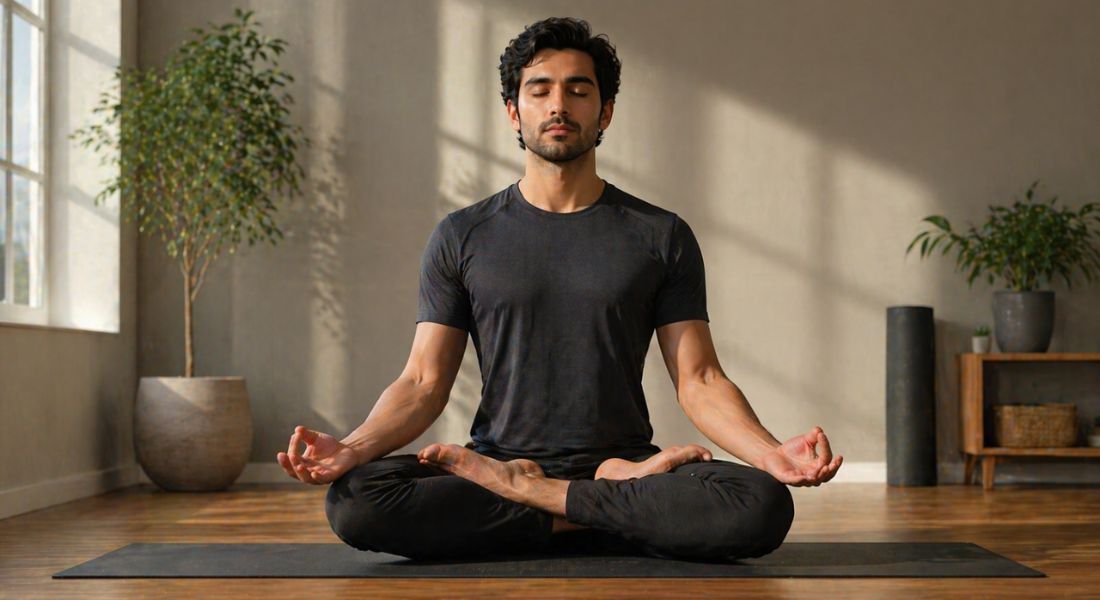
The position yoga lotus is widely recognized as the ultimate symbol of peace and spiritual awakening in the fitness world. This classic seated posture helps you find deep stillness while grounding your body and mind during meditation sessions.
Mastering the position yoga lotus requires a blend of patience and hip flexibility to avoid injury and find true comfort.
By approaching this pose with respect and consistency you can transform your entire yoga practice into a more mindful journey. It is not just about physical flexibility but also about opening your heart to a deeper sense of inner calm.
What Is the Position Yoga Lotus?
The position yoga lotus also known as Padmasana involves crossing your legs so that each foot rests on the opposite thigh. This creates a locked-in triangular base that provides incredible stability for the spine and upper body. It mimics the shape of a lotus flower which grows from the mud to bloom beautifully in the light.
This pose is important because it aligns your spine and helps you sit for a longer time without discomfort. It improves concentration and builds mental strength. Many yoga teachers use this yoga pose for back pain and meditation because it keeps the body steady and relaxed at the same time.
How to Work Up to the Position Yoga Lotus?
You should always start with gentle hip rotations and stretches like the butterfly pose to prepare your muscles for the deep rotation required.
Using a folded blanket to sit on can help tilt your pelvis forward and make it much easier for your knees to reach the ground safely. Never rush the process because your ligaments need time to adapt to the unique stresses of this advanced seated shape.
Step by Step Practice Poses of Position Yoga Lotus:
Achieving the position yoga lotus is a beautiful milestone that reflects your dedication to physical and mental growth. These pose invites you to sit in silence and connect with your inner self in a way few other postures can.
Staff Pose:
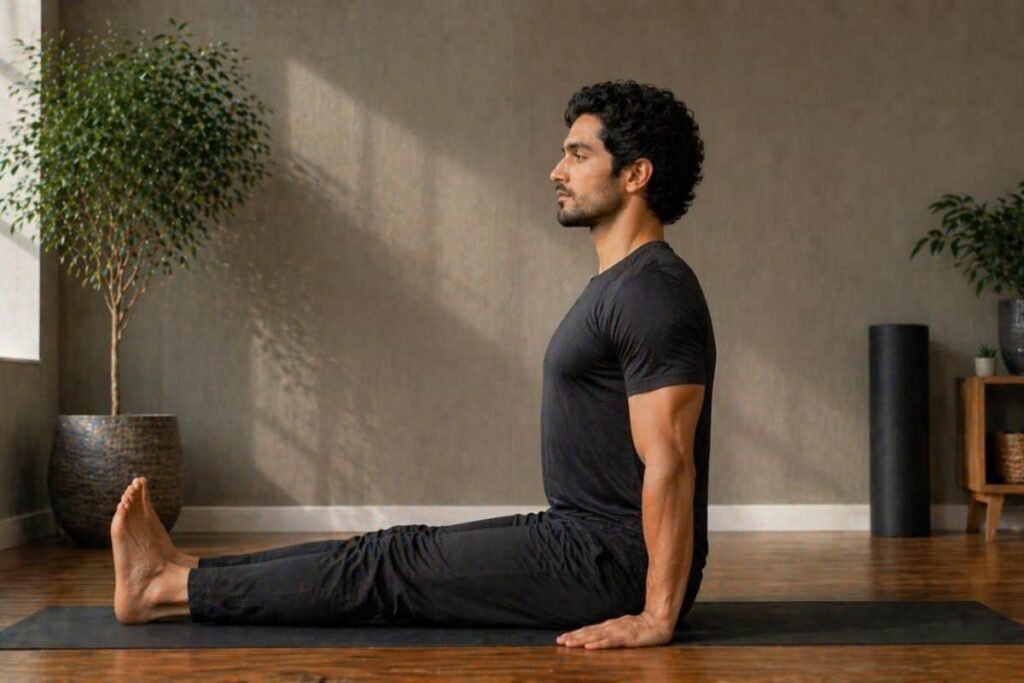
Begin your journey by sitting firmly on your mat with both legs stretched out straight in front of you. This initial setup helps you align your spine and check your posture before moving into more complex leg placements. It is the essential starting point for ensuring your body is centered and ready for the stretch.
Cradle Your Leg:
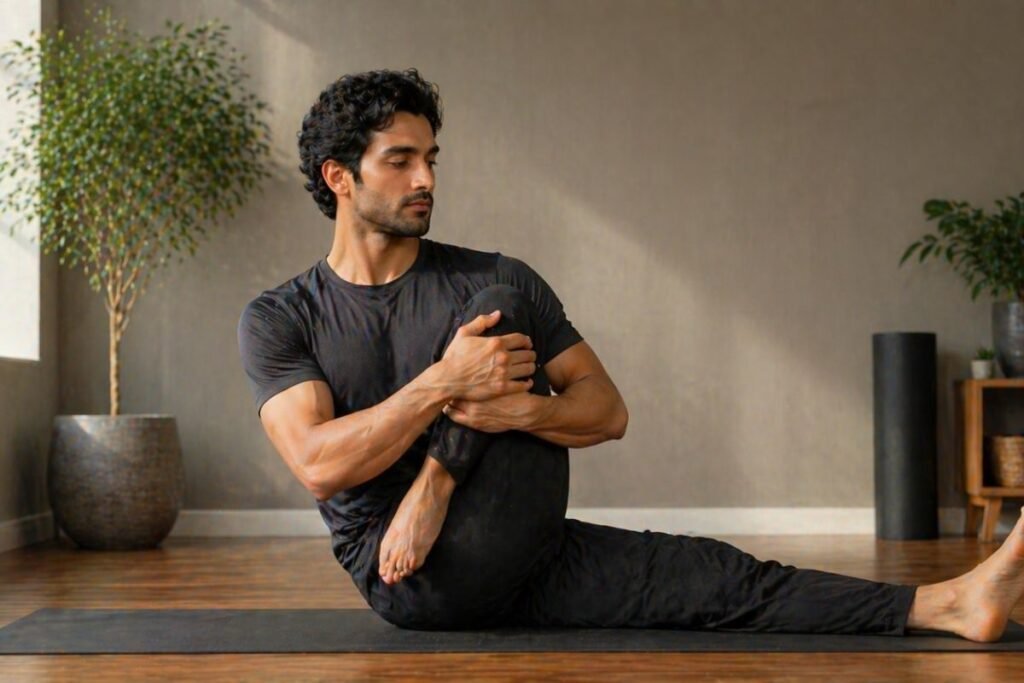
Pick up your right leg and gently hug your foot and knee toward your chest as if you were holding a baby. This movement is vital because it warms up the hip joint and tests your range of motion without putting pressure on the knee. Spending a few seconds here ensures your muscles are loose and ready for the next phase.
Half Lotus Placement:
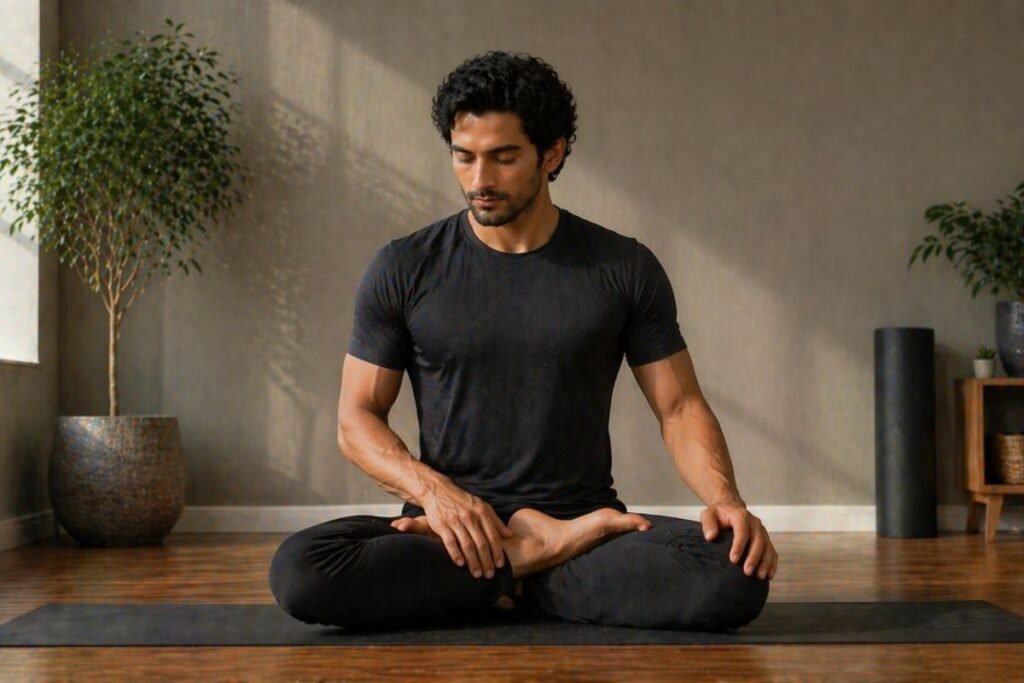
Carefully guide your right foot on top of your left thigh making sure it sits as close to the hip crease as possible. Keep your right foot active and flexed to protect the ankle and ensure the leg is securely locked in place. This intermediate step allows your body to adjust to the intense external rotation required for the full pose.
The Final Cross:
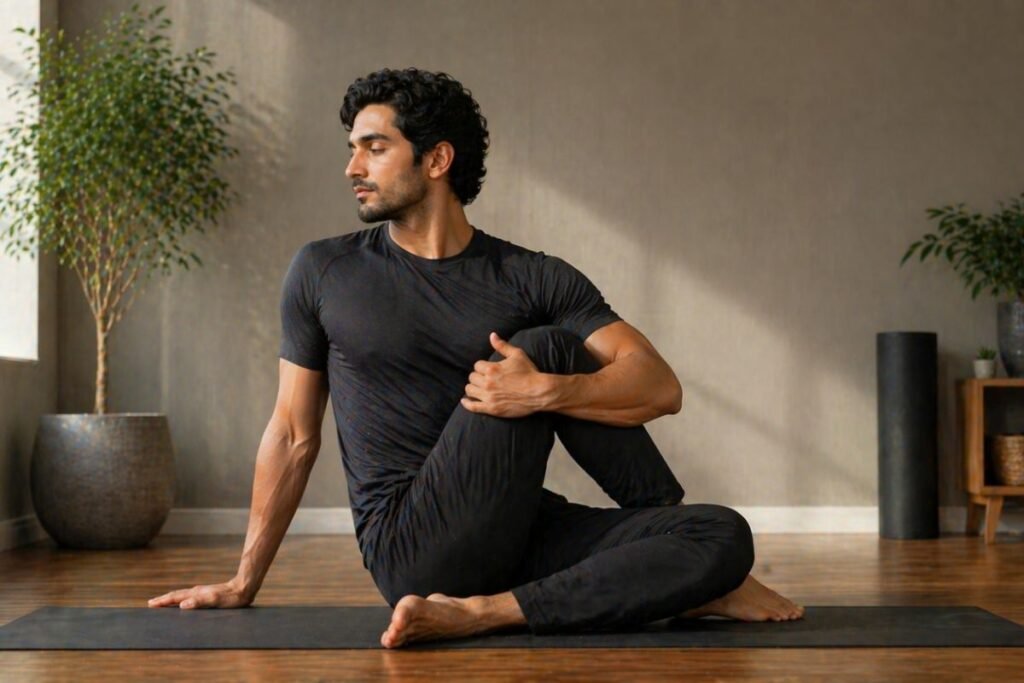
Slowly bend your left knee and lift your left foot over the right shin to place it high on the right hip crease. This is the most delicate part of the process and should be done with extreme care to avoid any sudden movements or joint strain. Once both legs are crossed you have achieved the primary structure of the seat.
Sole Orientation:
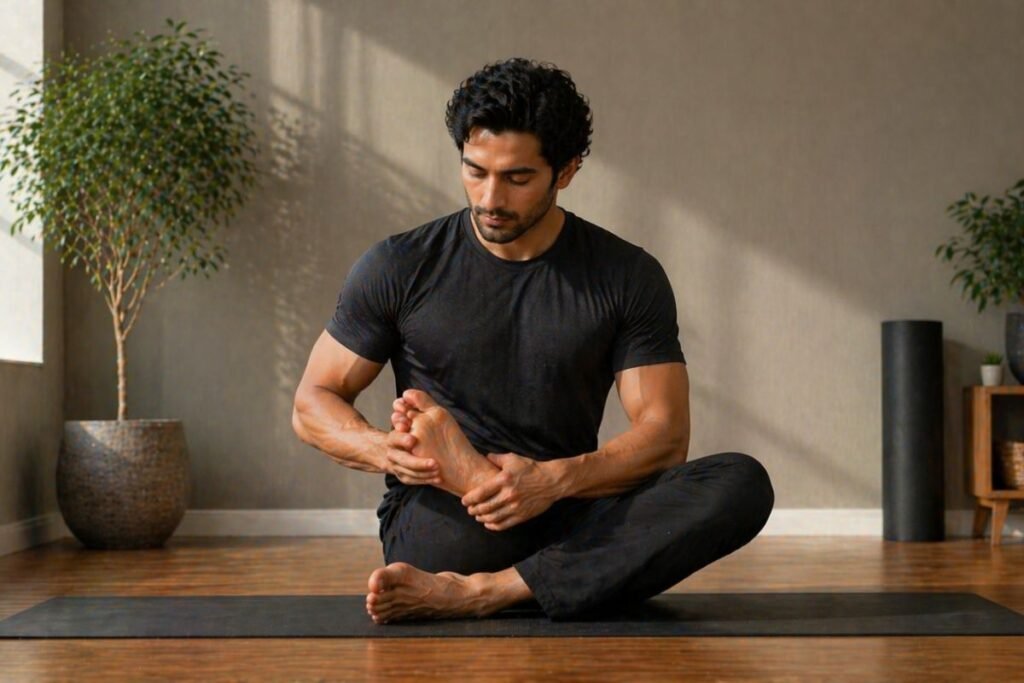
Check that the soles of both feet are facing upward toward the ceiling while your ankles remain straight and supported. Your feet should rest comfortably on the opposite thighs without sliding off or causing any sharp pain in the shins. This specific orientation helps maintain the energy lock and stability of the entire posture.
Hand Placement:
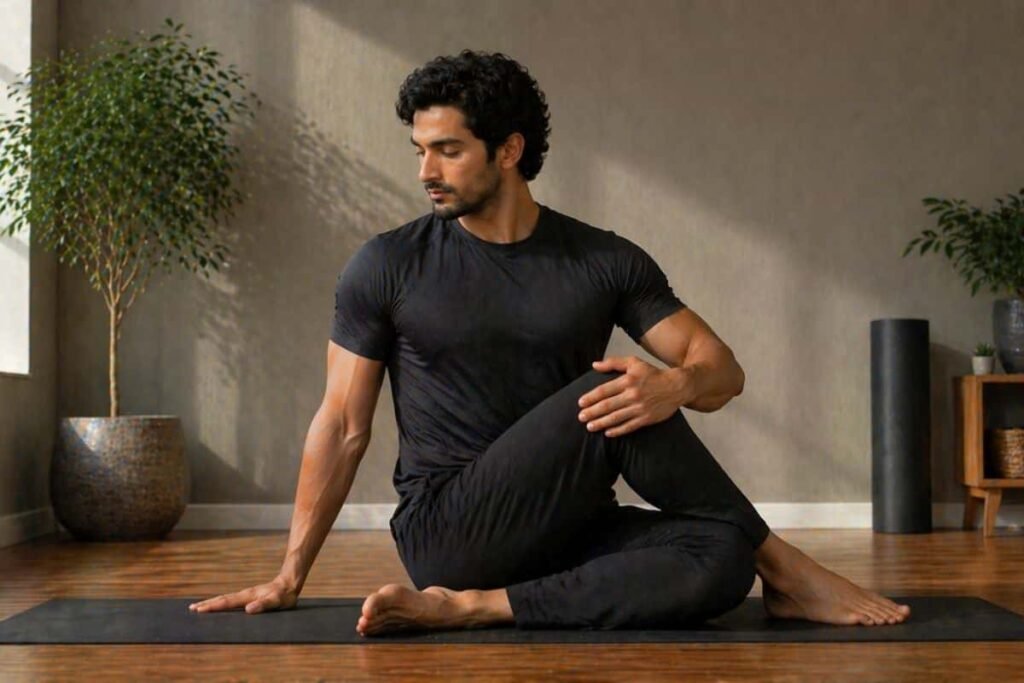
Rest your hands gently on your knees in a mudra or gesture that feels most comfortable for your meditation. Keep your shoulders relaxed and pulled away from your ears to allow for an open chest and easy breathing throughout your practice. This final touch completes the pose and prepares your mind for deep stillness and focus.
Read More How to Do bird of paradise yoga (Svarga Dvidasana)
What are the benefits of position yoga lotus in daily life?
Position yoga lotus brings steady calmness that helps the mind stay relaxed during busy routines. It strengthens attention span which improves productivity in work and learning tasks.
The pose enhances body alignment and increases awareness of how your muscles and posture function together. With consistent practice it supports emotional stability and helps reduce feelings of stress and mental pressure.
It also improves spinal comfort which makes long sitting hours easier and less tiring. Over time it encourages a deeper sense of inner balance and mental clarity during meditation and daily activities.
What mistakes to avoid in position yoga lotus practice?
A major error in position yoga lotus practice is pushing the legs beyond natural flexibility which can strain knee joints and lead to long term discomfort. Many people also ignore body signals and continue even when stiffness or pain appears which increases risk of injury.
Another issue is collapsing the upper body which reduces stability and limits breathing efficiency. Skipping preparation exercises makes muscles tight and less responsive during the pose.
Rushing into the full position without gradual progress prevents safe alignment and control. Consistent slow practice with awareness helps avoid these problems and supports safe improvement.
hoHow long should you hold position yoga lotus for best results?
For best results in position yoga lotus the duration depends on experience level and body comfort. Beginners should hold the posture only for a short time such as a few seconds to avoid strain. As flexibility improves the duration can be increased gradually to around one minute with proper control.
Experienced practitioners may stay longer during meditation sessions because their joints and muscles are better adapted.
The most important factor is maintaining relaxed breathing and stable posture throughout the hold. Never extend the time if any discomfort or pressure appears in the knees or hips.
Read More Bikram Yoga Poses – Guide to the Postures and Their Benefits
Conclusion:
Position yoga lotus is a simple yet powerful posture that builds harmony between body and mind. It teaches patience and control while improving your ability to sit still with ease. With regular practice it supports a calmer mindset and better awareness of your breathing.
This pose also helps you feel more grounded during daily activities and reduces inner restlessness. The real value comes from slow progress and consistent practice without forcing the body. Over time it becomes a natural way to experience peace and mental clarity.
FAQs:
Can you do yoga position after meals?
It is best to wait a few hours after eating so your stomach is light and your body can move without any discomfort. Practicing on a relatively empty stomach ensures that your energy is focused on the stretch rather than digestion.
Does position yoga lotus increase height?
This posture keeps your spine straight and prevents slouching which helps you maintain your maximum natural height. It aligns the back muscles to ensure you stand taller and with better overall body confidence.
How to breathe in position yoga lotus?
Focus on slow and steady nasal breaths to keep your mind quiet and your body fully oxygenated. Proper breathing deepens the benefits of the pose and helps you hold the position for longer periods.
Can position yoga lotus burn fat?
While it is a seated pose it stimulates digestion and engages the core muscles to support a healthy metabolism. It encourages a mindful lifestyle which is key to maintaining a fit and balanced physical frame.
